.png)
Google has announced a major update for advertisers: Google Display Ads is getting a new home inside Demand Gen.
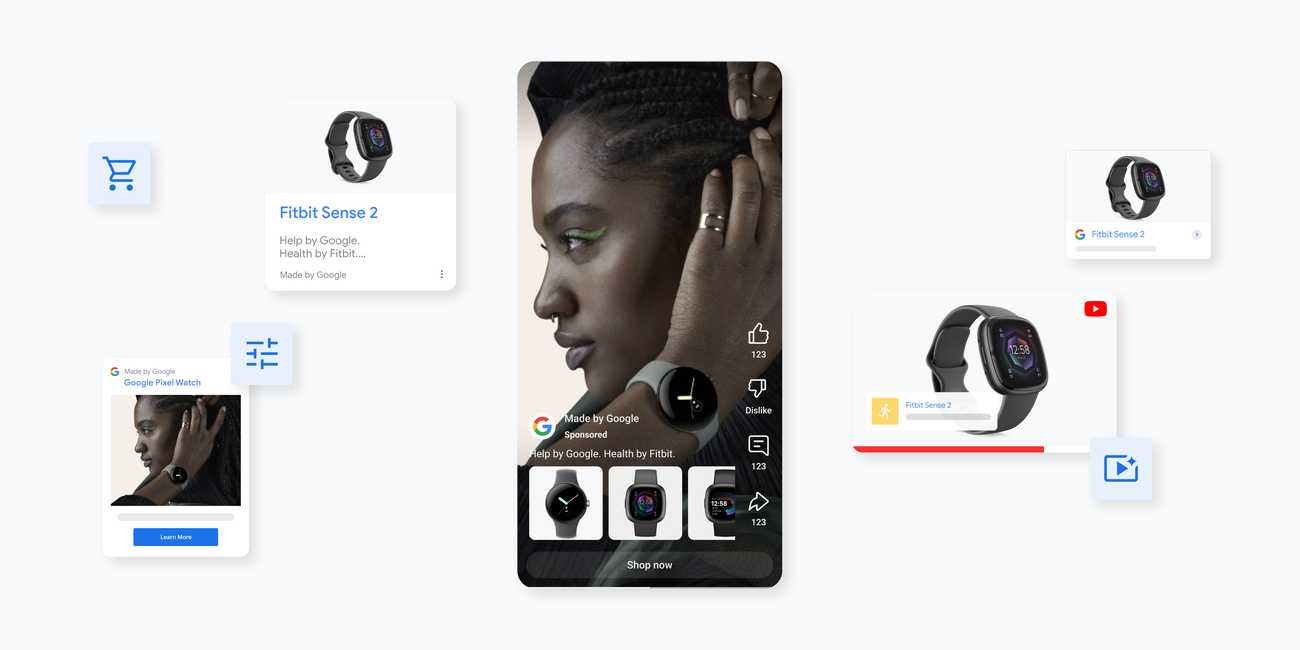
This does not mean Display advertising is going away. It means Google is moving Display into a more unified campaign environment where brands can manage visual, discovery-led campaigns across Google Display Network, YouTube, Discover, Gmail, and Google Maps. Google says advertisers can now manage their Google Display Network presence directly through Demand Gen campaigns while continuing to reach audiences across GDN inventory.
For Indian brands, this is not just a Google Ads interface change. It is a clear signal that performance marketing is becoming more visual, AI-led, and full-funnel.
What Is Changing?
Earlier, many brands used Google Display Ads as a separate campaign type for remarketing, banner ads, product visibility, and low-cost reach.
Now, Google is bringing that Display inventory into Demand Gen. Demand Gen already supports visual campaigns across Google’s high-discovery surfaces like YouTube, Discover, Gmail, and Maps. With this update, Google Display Network inventory also becomes part of that larger environment.
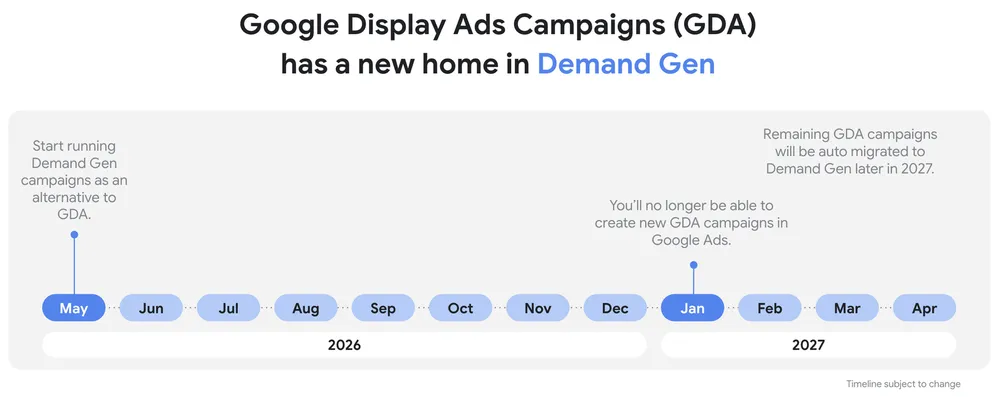
Google has stated that the transition is expected to complete by 2027 and that it will provide updates and a migration tool to guide advertisers through the change.
Quick Timeline
Why Is Google Doing This?
User behaviour has changed.
People no longer discover brands only through search. A customer may first see a product on YouTube, then notice the brand again on Gmail or Discover, compare options later, and finally convert through Search, direct traffic, marketplace, or retargeting.
That is why Google is pushing advertisers toward Demand Gen — a campaign type designed for visual discovery and action across multiple surfaces.
Google also reported that advertisers adding GDN into Demand Gen campaigns saw an average 9.5% increase in ROI, while GoFood saw a 24% decrease in CPA and 19% higher conversion volume after adding GDN.
For Indian brands, this matters because many categories are already discovery-led — fashion, beauty, footwear, travel, jewellery, lifestyle, food, apps, and D2C products all need repeated visual exposure before a customer converts.
What Demand Gen Adds to Display Advertising
The biggest shift is that Display will no longer sit as a basic banner-led campaign type. Inside Demand Gen, advertisers get access to stronger creative formats, more surfaces, better audience options, and improved reporting.
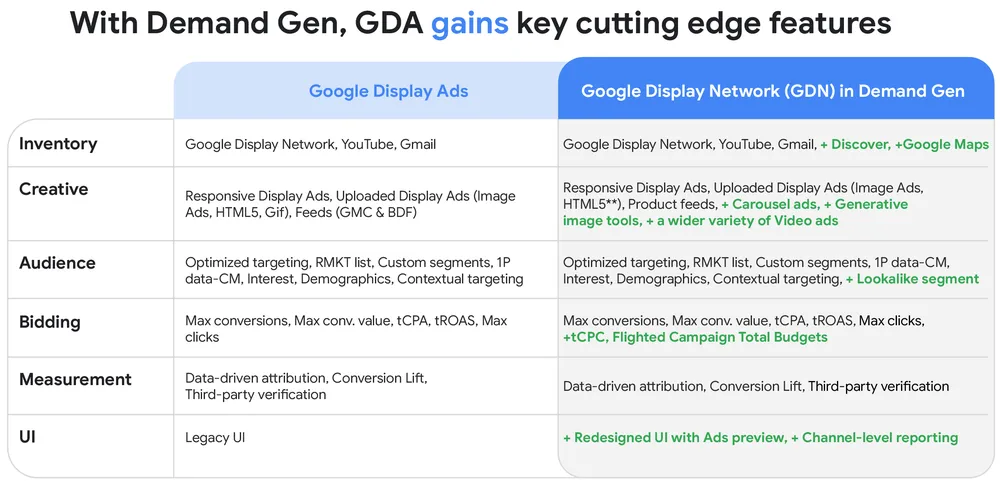
Google’s own comparison highlights that Demand Gen adds surfaces like Discover and Google Maps, creative formats like carousel ads and generative image tools, lookalike segments, tCPC, flighted campaign total budgets, redesigned UI, ad preview, and channel-level reporting.
What This Means for Indian Brands
For years, many Indian brands treated Display Ads as a support channel. It was often used for retargeting, sale banners, cart abandoners, and basic awareness.
That approach will need to evolve.
Demand Gen is not just about running banners. It is about building a visual journey across multiple Google surfaces. Brands will need better creatives, sharper audience segmentation, stronger tracking, and more structured campaign planning.
A beauty brand, for example, can use Demand Gen to promote skincare routines, product benefits, creator-style visuals, and retargeting creatives. A fashion brand can use it for collection launches, lookbook-style visuals, festive drops, and remarketing. A travel brand can use destination-led visuals, offer-based creatives, and high-intent retargeting.
The brands that win will not be the ones that simply move old Display banners into Demand Gen. The brands that win will be the ones that rebuild their visual advertising strategy around discovery, consideration, and conversion.
How Brands Should Prepare
Why Creative Will Matter More Now
Demand Gen is a more visual campaign environment. This means weak creatives will become a bigger problem.
Indian brands cannot rely only on static product banners with discount text. They will need creatives that feel native to discovery platforms.
Strong creative directions can include:
- Product-in-use visuals
- Creator-style product explainers
- Routine-based content
- Lifestyle images
- Short-form video edits
- Before-after formats where relevant
- Festive and sale-led visuals
- Carousel storytelling
This is where performance marketing and creator marketing start overlapping. A good creator-led asset can often work across Meta, YouTube, Demand Gen, remarketing, and even affiliate content partnerships.
What Agencies Need to Understand
This update also changes the role of agencies.
Basic campaign setup is becoming easier to automate. The real value will come from strategy: how campaigns are structured, what creative is used, which audiences are tested, how data is read, and how the channel contributes to overall growth.
For agencies, Demand Gen creates an opportunity to help brands move from isolated paid media campaigns to connected growth systems.
Instead of only asking, “What is the CPA from this campaign?”, brands will also need to ask:
- Did this campaign increase brand discovery?
- Did it support assisted conversions?
- Did it improve remarketing efficiency?
- Which creative format drove better engagement?
- Which audience segment showed the strongest intent?
- How did Demand Gen work alongside Search, Meta, affiliates, and creators?
The SEO and GEO Angle
This update is also important from a broader digital visibility perspective.
Search behaviour is changing. Users are discovering brands through ads, creators, AI answers, YouTube, marketplaces, review content, and search engines at the same time.
That is why brands need to think beyond traditional SEO. They also need to think about GEO — Generative Engine Optimisation.
As AI search experiences become more common, brands need stronger content signals, clearer positioning, better product information, review-led visibility, and consistent digital presence across platforms. Demand Gen supports this broader visibility layer by increasing visual discovery across Google’s ecosystem.
In simple terms, SEO helps brands appear when users search. Demand Gen helps brands create interest before users search. GEO helps brands become easier to understand, reference, and surface in AI-led discovery journeys.
Final Takeaway
Google Display Ads moving into Demand Gen is not just a campaign migration. It is a signal that paid media is moving toward visual discovery, AI-led optimisation, and full-funnel performance.
For Indian brands, the message is clear: do not wait until 2027.
Start auditing Display campaigns. Build better visual assets. Strengthen conversion tracking. Test Demand Gen early. Understand which audiences and creatives perform before the migration becomes unavoidable.
Display advertising is not disappearing. It is becoming part of a more advanced demand creation system.
The brands that prepare early will have a stronger advantage. The brands that wait may simply end up moving old campaigns into a new environment without unlocking the real value of Demand Gen.