.png)
On April 28, 2026, Rakuten International and impact.com announced a strategic alliance aimed at reshaping the global affiliate and performance marketing ecosystem. Under this collaboration, Rakuten Advertising’s global publisher relationships, managed services, performance intelligence, and Rakuten Rewards’ consumer reach will be combined with impact.com’s partnership management technology, marketplace infrastructure, contracting, tracking, and payment capabilities.
For the affiliate industry, this is more than a platform partnership. It signals a larger shift in how brands will build, manage, measure, and scale affiliate programs over the coming years.
Affiliate Marketing Is Moving Beyond Traditional Network Models
For years, affiliate marketing has largely been managed through bundled network models. A brand would join a network, use its tracking platform, access its publisher base, and rely on the same ecosystem for reporting, payments, and sometimes managed services.
The Rakuten-impact.com alliance points toward a more integrated but also more sophisticated future. Rakuten brings its long-standing publisher relationships, global affiliate experience, managed services, and consumer intelligence through Rakuten Rewards. impact.com brings its technology platform, automation, marketplace, partner contracting, tracking, and payment infrastructure.
This matters because modern affiliate programs are no longer just about putting a brand on a network and waiting for coupon or cashback partners to drive sales. Brands now need better visibility, cleaner attribution, fraud control, incrementality measurement, commission tiering, creator partnerships, content commerce, and stronger publisher management.
In short, affiliate marketing is becoming a serious performance growth channel, not just a last-click sales channel.
Why This Alliance Matters for Brands
The biggest takeaway for brands is that the affiliate ecosystem is becoming more consolidated, more technology-led, and more outcome-focused.
According to Rakuten, advertisers will benefit from stronger visibility, better measurement, improved attribution, access to broader partner ecosystems, and the ability to incentivize consumers at key moments in the shopping journey. Publishers and creators are also expected to gain access to more advertisers, offers, and monetization models across affiliate, creator, and commerce channels.
For brands, this means affiliate marketing can no longer be treated as a passive channel. The programs that win will be the ones that are actively managed with clear strategy, clean tracking, strong validation, and differentiated publisher relationships.
A brand should now ask:
- Is our affiliate program actually growing, or has it plateaued?
- Are we dependent only on coupon, cashback, and loyalty partners?
- Are we measuring incrementality properly?
- Are we rewarding publishers based on value, not just last-click sales?
- Are we validating orders properly before paying commissions?
These questions are becoming more important as the ecosystem matures.
The Separation of Technology and Strategy
One of the most important shifts highlighted by this alliance is the separation between platform infrastructure and program strategy.
Technology platforms like impact.com can provide tracking, contracts, payments, attribution, and partner infrastructure. But technology alone does not build a strong affiliate program. Strategy, publisher recruitment, partner activation, fraud monitoring, campaign planning, commission structuring, and relationship management still require active human execution.
This is where many brands struggle.
They may have access to a strong platform, but their program still underperforms because publishers are not activated properly, commissions are not structured intelligently, tracking gaps are ignored, or the program becomes too dependent on low-incrementality partners.
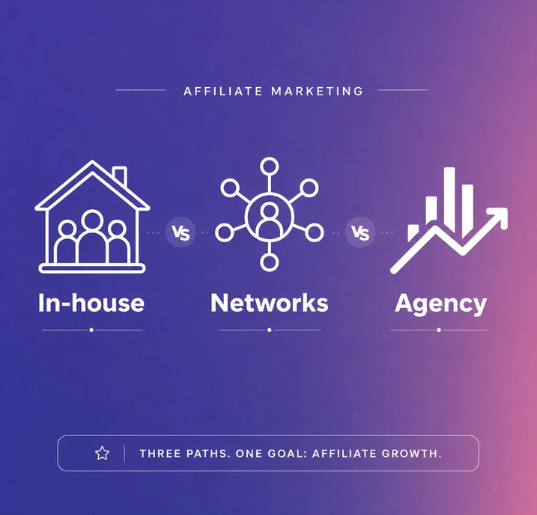
The future of affiliate marketing will not be “network versus agency” or “platform versus service.” It will be about how well a brand combines the right technology with the right strategic execution.
What This Means for Brands Already on Affiliate Networks
If a brand is already running an affiliate program through Rakuten, impact.com, AWIN, CJ, Admitad, vCommission, Partnerize, or any other network, this announcement should be seen as a reminder to audit the program.
A migration or platform upgrade is not just a technical exercise. It is an opportunity to clean the program.
Brands should review:
- Publisher quality: Identify which partners are actually adding value and which are simply capturing existing demand.
- Commission leakage: Check if commissions are being paid on low-value, non-incremental, cancelled, or duplicate orders.
- Attribution gaps: Understand whether affiliate sales are being over-attributed compared to paid search, paid social, email, or organic traffic.
- Validation process: Ensure cancelled, returned, fraudulent, or duplicate orders are being reversed properly.
- Publisher mix: Reduce over-dependence on coupons and expand into content, creators, communities, comparison sites, loyalty, and niche commerce partners.
- Tracking setup: Make sure tracking captures order value, customer type, coupon usage, product category, device, and other data needed for smarter payout decisions.
Without this level of review, brands may move to better technology but still carry the same old inefficiencies.
What Publishers and Creators Should Expect
This alliance is also important for publishers and creators.
With Rakuten and impact.com combining parts of their ecosystem, publishers may get access to a broader advertiser base, more offers, and more monetization models. This can benefit content publishers, creators, influencers, deal platforms, comparison sites, communities, and commerce media partners.
But it also means publisher quality will come under more scrutiny.
As brands get better tools for attribution and validation, publishers will need to prove value beyond clicks and last-touch conversions. High-quality content, audience trust, traffic transparency, compliance, and true influence will become more important.
Creators and publishers who can drive discovery, educate audiences, and influence purchase decisions will become more valuable than partners who only operate at the coupon or checkout stage.
What Indian Brands Should Learn from This
For Indian brands, this announcement is especially relevant.
India’s affiliate ecosystem is still heavily dependent on coupon, cashback, and network-led execution. Many brands join a network, approve a few large publishers, and then treat affiliate marketing as a side channel. The result is often limited scale, poor publisher diversity, weak validation, and low strategic control.
The Rakuten-impact.com alliance shows where the global market is moving: stronger technology, deeper measurement, managed execution, consumer intelligence, and more serious performance accountability.
Indian brands should not wait for this shift to reach them fully. They should start preparing now by building affiliate programs with better tracking, better publisher segmentation, stronger validation, and clearer commission logic.
A strong affiliate program in India should not only include coupon and cashback partners. It should include content publishers, creators, YouTube reviewers, SEO-led commerce platforms, category communities, loyalty partners, comparison platforms, and strategic brand collaborations.
The Bigger Signal: Affiliate Is Becoming a Core Growth Channel
This alliance confirms one thing clearly: affiliate and partnership marketing are moving closer to the center of performance marketing.
As paid media costs rise and brands look for more efficient acquisition channels, affiliate marketing offers a powerful advantage: brands pay only when outcomes are delivered. But to unlock that advantage, the channel needs to be managed with the same seriousness as Google, Meta, marketplace ads, or influencer marketing.
That means better strategy, better tracking, better attribution, better publisher relationships, and better commercial models.
The brands that treat affiliate marketing as a low-effort network listing will continue to see limited results. The brands that treat it as a structured growth channel will build a powerful, scalable, and measurable revenue engine.
Final Takeaway
The Rakuten and impact.com alliance is not just a collaboration between two major players. It is a signal that affiliate marketing is becoming more integrated, more measurable, and more strategic.
For brands, this is the right time to reassess their affiliate programs. The question is no longer whether affiliate marketing works. The real question is whether the program is being managed intelligently enough to drive incremental growth.
Better technology will help. Larger ecosystems will help. But the real advantage will come from how brands use these tools, how they manage publishers, how they measure value, and how they build long-term affiliate partnerships.
Affiliate marketing is entering its next phase. Brands that prepare early will have a clear advantage.