.png)
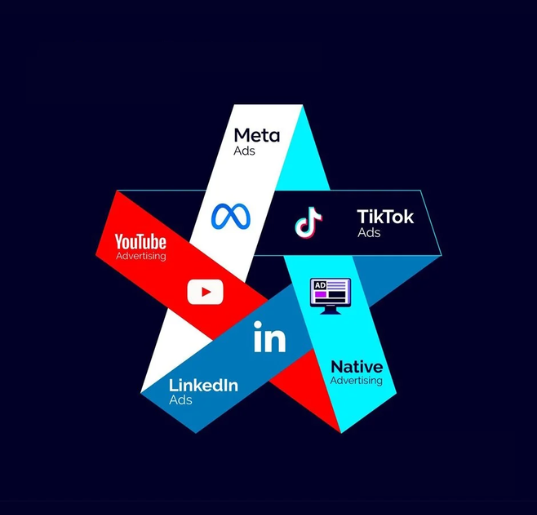
For many D2C brands, performance marketing becomes shorthand for running Meta and Google Ads. Campaigns are launched, ROAS is monitored, audiences are adjusted and budgets move toward whatever appears to be working.
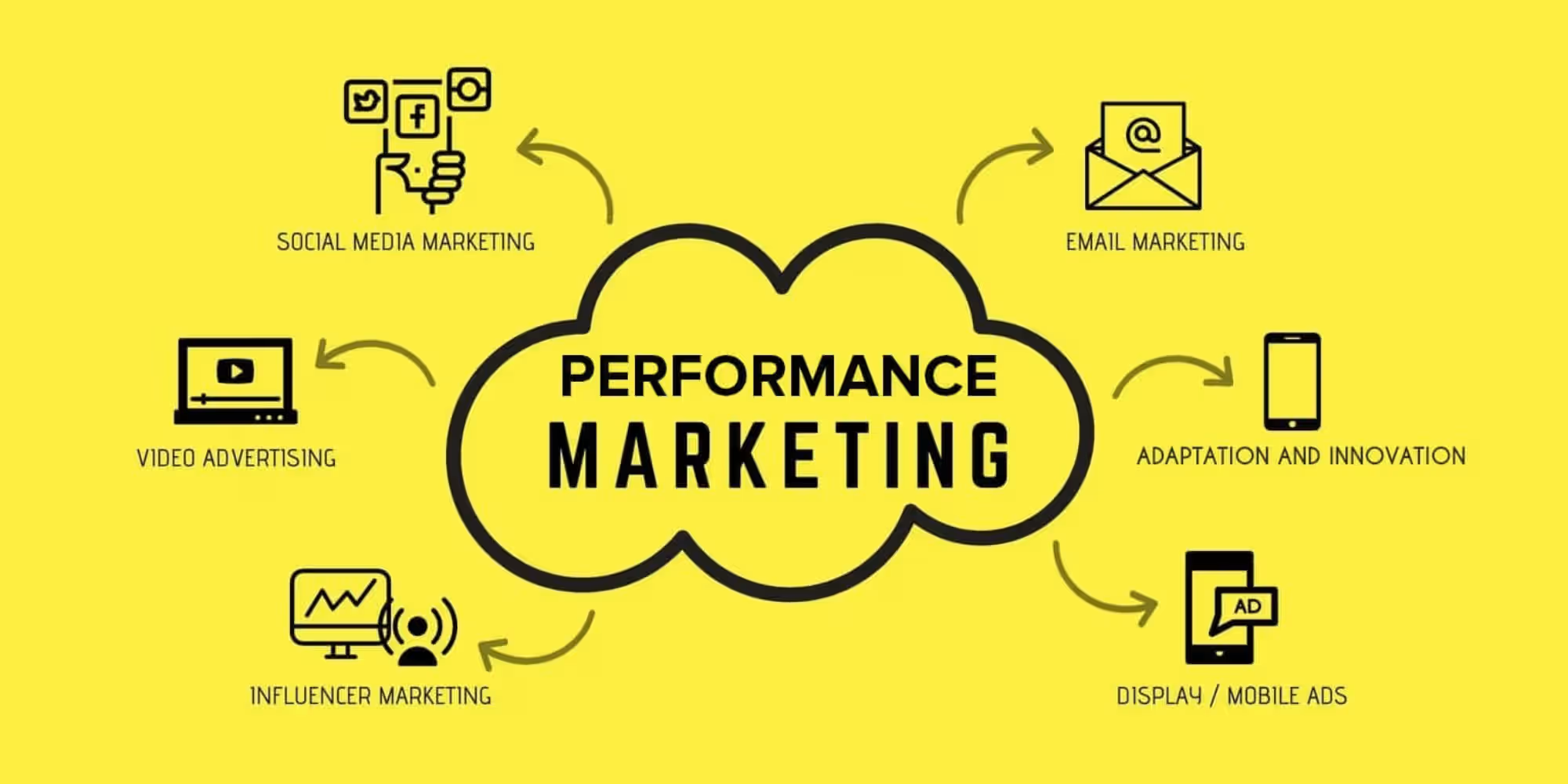
That is paid media management. A performance marketing system is broader.
It connects commercial goals, customer demand, channels, creative, conversion experience and measurement so that the business can understand not only whether advertising generates revenue, but whether that revenue can be scaled at acceptable economics.
For Indian D2C and ecommerce brands, this distinction matters because increasing advertising spend is relatively easy. Increasing it without weakening acquisition economics is much harder.
Start With the Business Model
Performance strategy should begin before the advertising account.
A brand needs to understand contribution margin, average order value, customer acquisition cost, repeat purchase behaviour and how quickly acquisition spend needs to be recovered. These factors determine what the business can reasonably pay for growth.
There is no universal "good ROAS" or "good CAC." A campaign producing the same ROAS can be attractive for a high-margin brand and unsustainable for a business with heavy discounting, fulfilment costs and returns.
This is why the discussion around India's rising customer acquisition costs cannot be reduced to media prices alone. Acquisition becomes a business problem when the value generated from customers no longer supports what the company is spending to acquire them.
Media targets should come from those economics rather than the other way around.
Match Channels to Customer Intent
Meta and Google do not necessarily perform the same job.
Meta can create discovery through feeds, Stories and Reels even when the customer was not actively searching for the product. Creative therefore carries significant responsibility for generating interest and communicating why the product matters.
Google Search is better positioned to capture explicit demand when someone is already searching for a product, category or solution. Shopping and Performance Max can use product information connected through Merchant Center to promote ecommerce inventory across Google's advertising ecosystem.
Google also continues to expand visual demand-generation products such as Demand Gen across surfaces including YouTube. The practical implication is that brands should assign channels according to customer intent rather than forcing every platform to deliver the same behaviour.
There is no sensible universal budget split between Meta, Search, Shopping, YouTube or other paid channels. Budget should follow the opportunities available to the specific business.
Get Measurement Right Before Scaling
Modern advertising systems increasingly optimise around the conversion information advertisers provide.
Google's Smart Bidding, for example, uses automated auction-time bidding to optimise towards conversions or conversion value. Google also supports value-based approaches that allow campaigns to optimise toward the business value assigned to different conversions.
That makes measurement quality part of media performance.
For an ecommerce business, purchase tracking should capture accurate transaction values without duplicate events. The team should know which actions are being used for optimisation and whether those actions represent meaningful commercial outcomes.
First-party measurement can strengthen this setup. Google's enhanced conversions, for example, supplement existing conversion tracking using hashed first-party customer data to improve measurement accuracy.
The objective is not perfect attribution. It is a measurement foundation reliable enough to support better bidding, analysis and budget decisions.
Treat Creative as a Performance Variable
Creative is one of the most important inputs into paid acquisition because it determines how the product, problem and offer are introduced to the audience.
A strong testing process should go beyond producing variations of the same advertisement. Brands can test different customer problems, benefits, product demonstrations, objections, use cases, offers and stages of awareness.
Creative fatigue should also be considered when campaign efficiency weakens. Increasing spend behind the same ideas may simply expose more people to creative that has already lost its ability to generate qualified interest.
This is why strong creative and landing pages are inseparable from performance marketing. Media buying determines distribution, but it cannot manufacture a persuasive proposition after the campaign has entered the auction.
Fix the Post-Click Experience
The advertisement creates an expectation. The landing page has to continue it.
If a Meta ad promotes a particular product benefit or bundle, customers should recognise that proposition immediately after clicking. If a Search ad responds to a specific query, the landing page should answer that intent rather than forcing visitors to navigate a generic homepage.
For D2C brands, friction can appear through unclear pricing, weak product information, difficult variant selection, uncertain shipping terms, intrusive pop-ups, poor mobile usability or checkout problems.
When traffic is arriving but customers consistently fail to progress, buying more traffic can make the problem more expensive rather than solving it.
Performance teams should therefore examine the journey between click and purchase, not only what happens before the click.
Allocate Budget by Marginal Performance
One of the most common mistakes in performance planning is assuming that a campaign producing strong results at its current spend can maintain those economics indefinitely.
As budgets rise, platforms usually need to reach additional inventory and audiences. The next rupee of spend may therefore produce a different return from the previous one.
Budget allocation should consider marginal performance: what happens to CAC, conversion value and contribution as additional money is invested?
This also means channels should not be evaluated entirely in isolation. Meta may create demand that later appears through branded search or direct traffic. Search can capture demand created elsewhere. Remarketing may look highly efficient because it reaches users already influenced by previous marketing.
The business needs both channel-level reporting and a blended view of acquisition economics.
Scale the System, Not Just the Budget
Scaling is not the same as increasing daily spend.
A brand may need more creative concepts, stronger landing pages, additional products, broader audience opportunities or improved conversion rates before substantially more media can be absorbed efficiently.
Retention matters too. If customers rarely return, paid acquisition continually has to replace them. Stronger repeat purchase can improve the economics available to support acquisition.
Branding can also influence performance. When customers recognise and understand a business more easily, paid media does not have to build the entire case for trust from the first impression. Creative Cuddle's article on how stronger branding can support customer acquisition efficiency explores that relationship in more detail.
Affiliate partnerships, organic discovery and other demand sources can similarly reduce excessive dependence on a single advertising auction. These channels do not replace performance marketing, but they change the environment in which paid media has to operate.
Audit Performance as a Connected System
When a D2C account stops growing efficiently, the audit should begin with the business rather than immediately restructuring campaigns.
Check whether acquisition targets still reflect current margins. Verify conversion tracking and transaction values. Understand which channels are creating demand and which are capturing it. Review whether the creative system is producing genuinely new ideas, whether landing pages continue the advertising message and where customers are dropping out of the journey.
Then examine budget allocation. Identify where additional spend still produces acceptable economics and where performance is deteriorating as scale increases.
This approach changes the central performance marketing question from "Which campaign should we spend more on?" to "What is currently constraining profitable growth?"
For Indian D2C brands, that is the more useful definition of performance marketing. Meta Ads, Google Ads and other platforms remain important tools, but sustainable performance comes from building a commercial system around them that can measure demand, convert it efficiently and scale without losing sight of profitability.
When a brand needs help diagnosing that full system rather than simply managing another advertising account, Creative Cuddle's Performance Marketing work focuses on connecting media, measurement, creative and conversion around the economics of the business.



.png)